

𝟏𝐬𝐭 𝐈𝐧𝐭’𝐥 𝐂𝐨𝐧𝐟𝐞𝐫𝐞𝐧𝐜𝐞 𝐢𝐧 𝐈𝐥𝐚𝐠𝐚𝐧 𝐒𝐩𝐚𝐫𝐤𝐬 𝐃𝐢𝐚𝐥𝐨𝐠𝐮𝐞 𝐨𝐧 𝐒𝐮𝐬𝐭𝐚𝐢𝐧𝐚𝐛𝐥𝐞 𝐒𝐨𝐥𝐮𝐭𝐢𝐨𝐧𝐬 𝐭𝐡𝐫𝐨𝐮𝐠𝐡 𝐥𝐨𝐜𝐚𝐥 𝐚𝐧𝐝 𝐠𝐥𝐨𝐛𝐚𝐥 𝐩𝐚𝐫𝐭𝐧𝐞𝐫𝐬𝐡𝐢𝐩𝐬
T
Author
The Newsette
October 3, 2025
5:51 AM
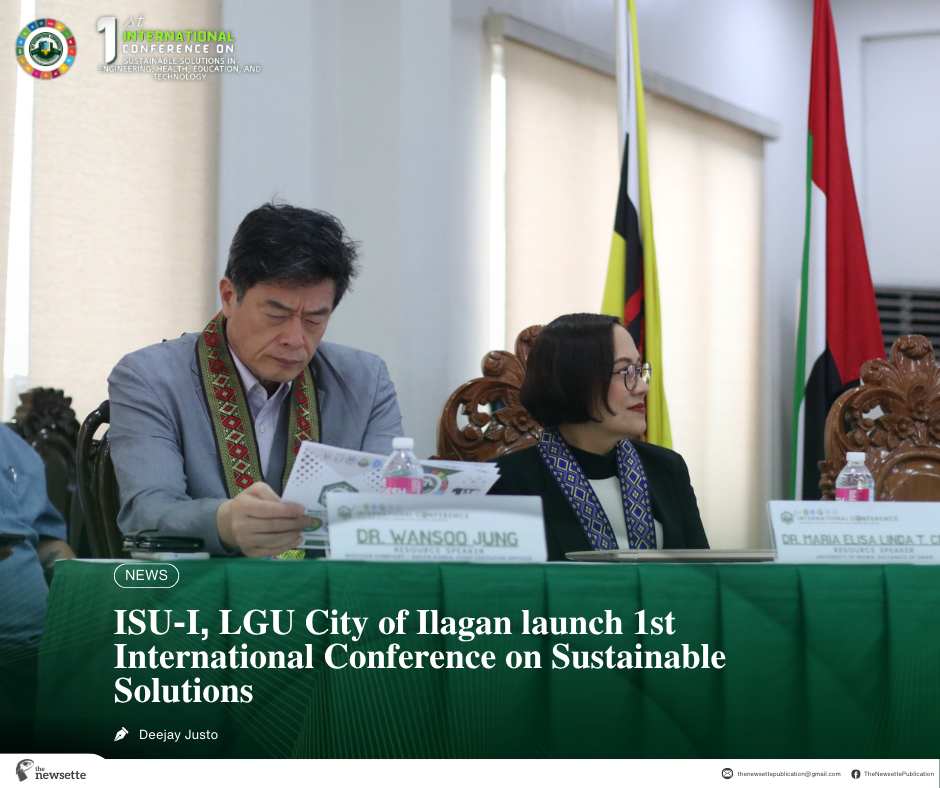
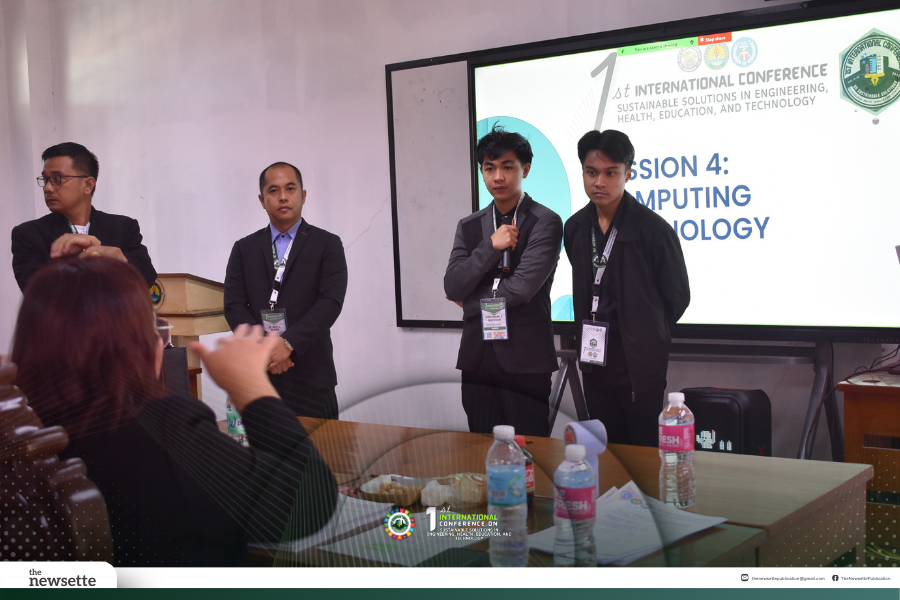
On Wednesday, the 1st International Conference on Sustainable Solutions in Engineering, Health, Education, and Technology held discussions and open forums on artificial intelligence use, agricultural innovations, environmental concerns, and healthcare delivery at the City Hotel in Alibagu, City of Ilagan, Isabela, Philippines.
Starting the morning plenary sessions, Mr. Florante E. Garcia, representing Jose Avelino C. Diaz, Chief Executive Officer of Sagittarian Agricultural Phils. Inc. emphasized that supporting local industries is the company’s approach to achieving sustainable agriculture.
In addition, Garcia highlighted their vision of becoming a global force by increasing local production and resiliency through community-based innovations.
Moreover, Dr. Maria Elisa Linda T. Cruz, Associate Professor and Academic Development Officer at the University of Nizwa, Sultanate of Oman, emphasized that computing technology can both help resolve and worsen environmental crises.
Dr. Cruz also mentioned that digital preservation should be aligned with the United Nations 2023 Agenda, emphasizing that digital sustainability can be achieved through research utilization and strengthened governance.
Meanwhile, in a virtual discussion, Dr. Chimene Castor, Associate Professor at Howard University in Washington, D.C., focused on issues surrounding food and nutrition sustainability, stressing that health crises are sustainability crises.
Furthermore, Dr. Castor stated that food systems and policies should address public health demands and that health equity, access to nutrition, and health education must be integrated into every community.
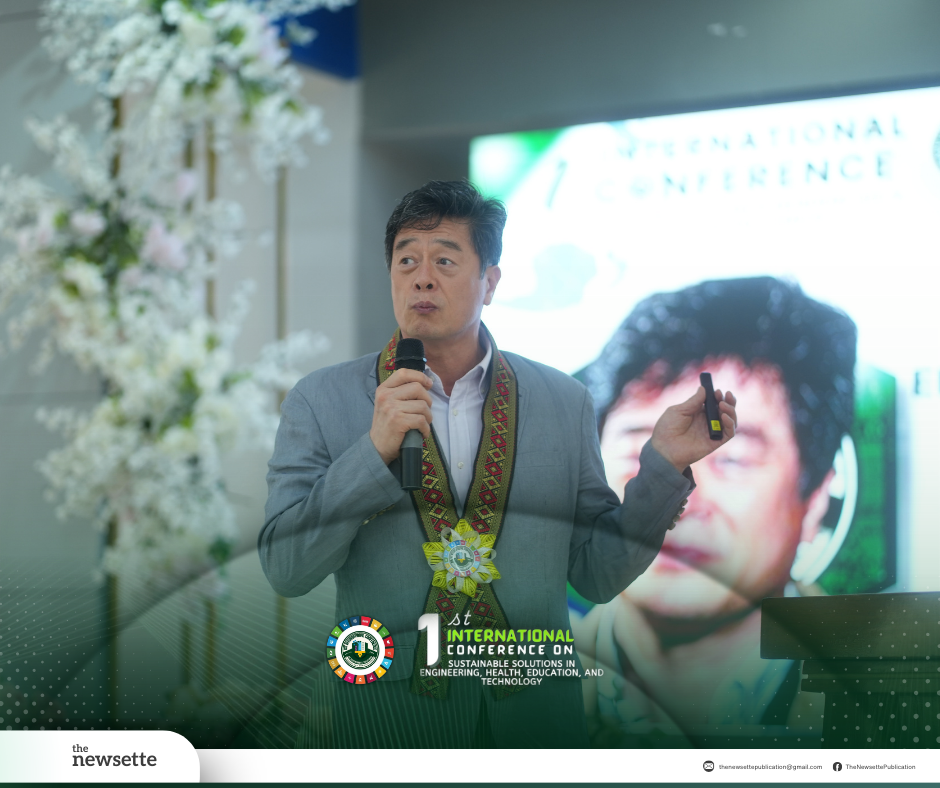
Additionally, Dr. Hwansoo Jung, Chief Executive Officer of the BIOCHAR Company in South Korea, opened the afternoon session with a comprehensive discussion on renewable energy and environmental innovations.
In his presentation, Dr. Jung stressed the urgency of addressing aggressive global warming through renewable initiatives, like how BIOCHAR uses artificial intelligence in turning agricultural waste into valuable bio-products, increasing soil productivity while reducing carbon footprints.
In his presentation, Dr. Jung stressed the urgency of addressing global warming through renewable initiatives, citing how BIOCHAR uses artificial intelligence to turn agricultural waste into valuable bio-products that increase soil productivity while reducing carbon footprints.
He also highlighted Korea’s progress in innovation, featuring Innopolis as a model of technological advancement that integrates environmental preservation.
Additionally, in a virtual presentation, Dr. Waleed Khalil Hilal Alrajhi from the University of Nizwa in Oman talked about how to connect technology with public and global issues, stressing the importance of improving health systems and finding new ways to provide care.
The plenary sessions concluded with an open forum led by Dr. Zach Chamberlaine M. Corpuz, Academic Affairs Director at Isabela State University–City of Ilagan (ISU-I), as panel discussant, followed by the awarding of plaques of recognition to the keynote speakers.
Finally, Dr. Crestian A. Agustin, Dean of the College of Engineering, Architecture, and Technology at ISU–City of Ilagan Campus, delivered a comprehensive synthesis of the critical points from each discussion.
These sessions not only showcased expert insights in engineering, health, education, and technology but also provided a platform for dialogue on sustainability, adaptability, and both local and international partnerships.
Share this article
Share on Facebook
More in News
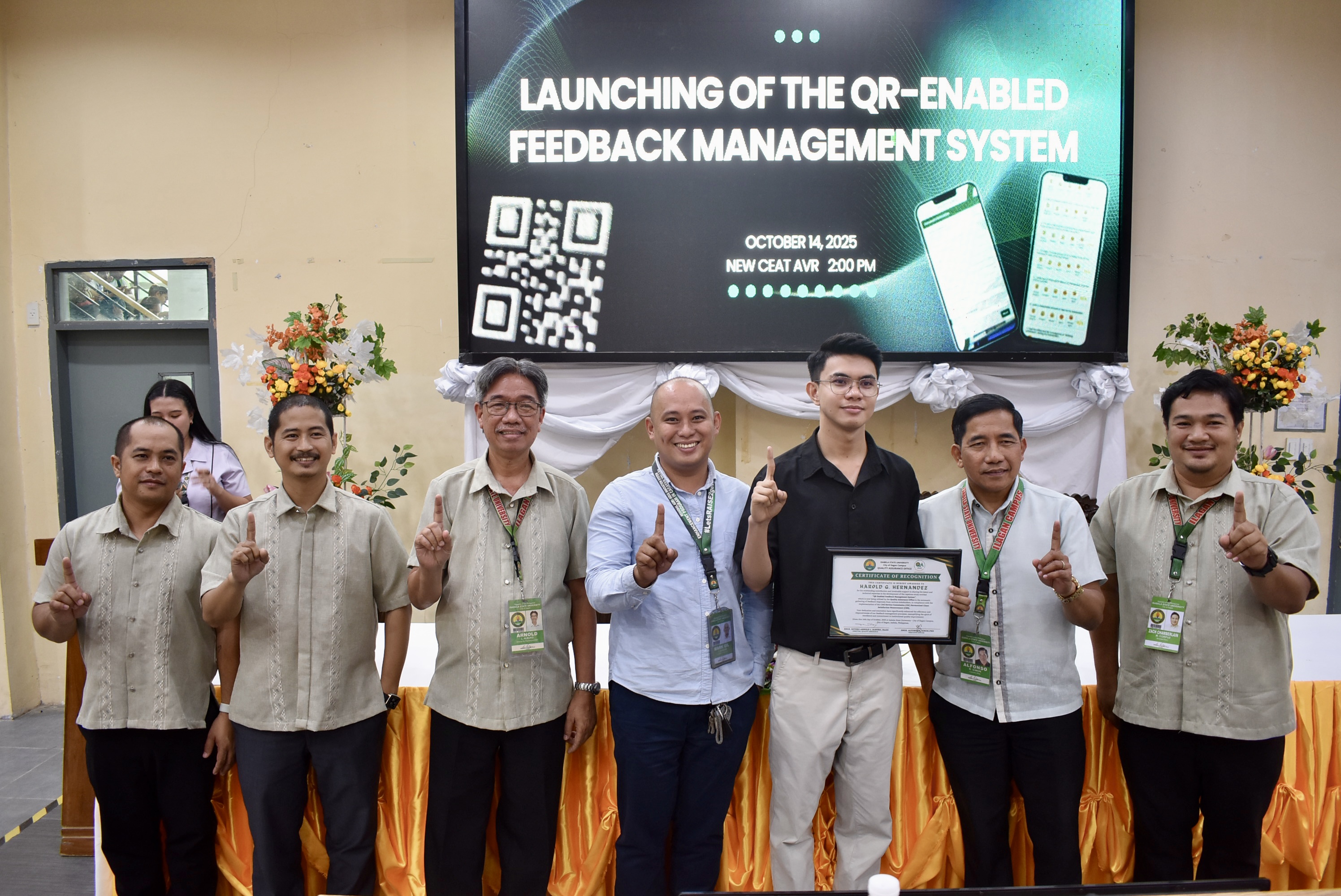

ISU-Ilagan, muling nagsagawa ng Book Fair matapos ang apat na taon
The Newsette
Oct 14
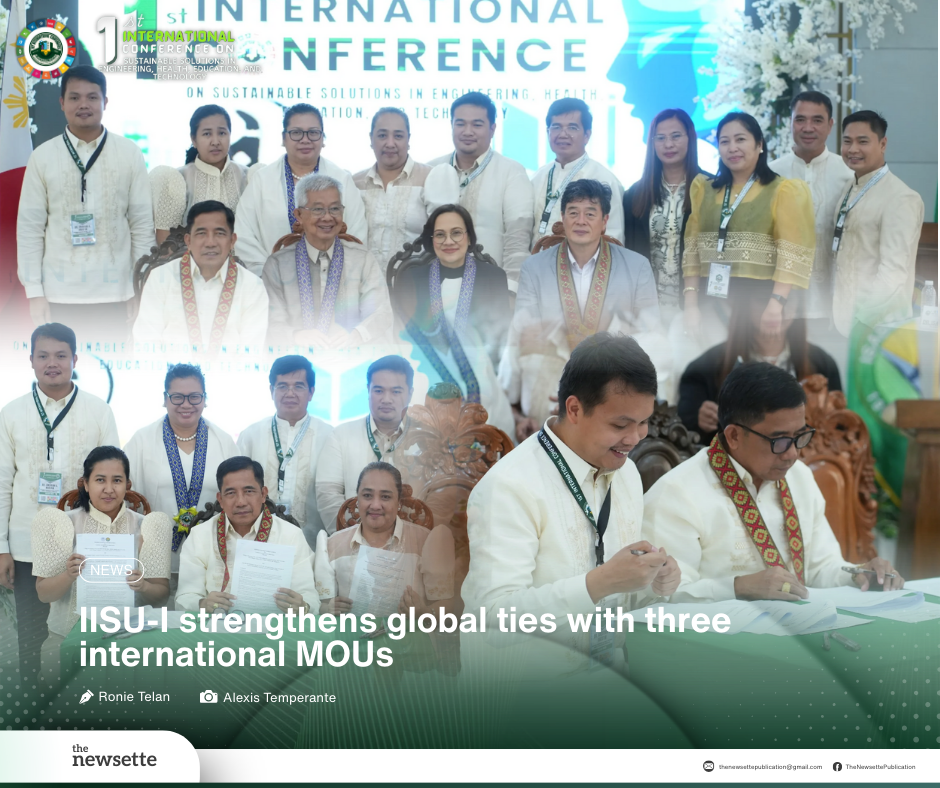
𝐈𝐒𝐔-𝐈 𝐬𝐭𝐫𝐞𝐧𝐠𝐭𝐡𝐞𝐧𝐬 𝐠𝐥𝐨𝐛𝐚𝐥 𝐭𝐢𝐞𝐬 𝐰𝐢𝐭𝐡 𝐭𝐡𝐫𝐞𝐞 𝐢𝐧𝐭𝐞𝐫𝐧𝐚𝐭𝐢𝐨𝐧𝐚𝐥 𝐌𝐎𝐔𝐬
The Newsette
Oct 3
Recent Posts

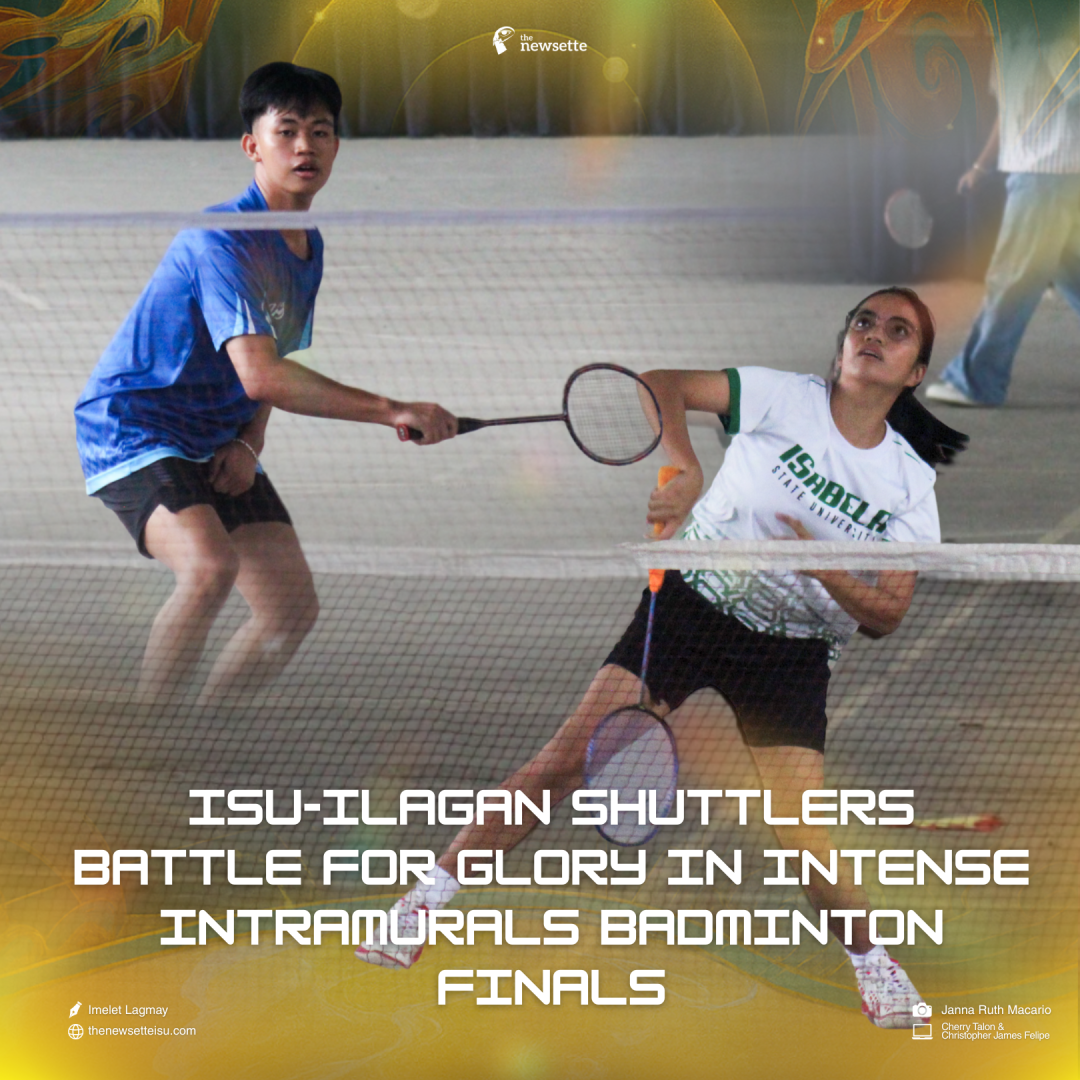
ISU-Ilagan Shuttlers Battle for Glory in Intense Intramurals Badminton Finals
The Newsette
Oct 13
Sports
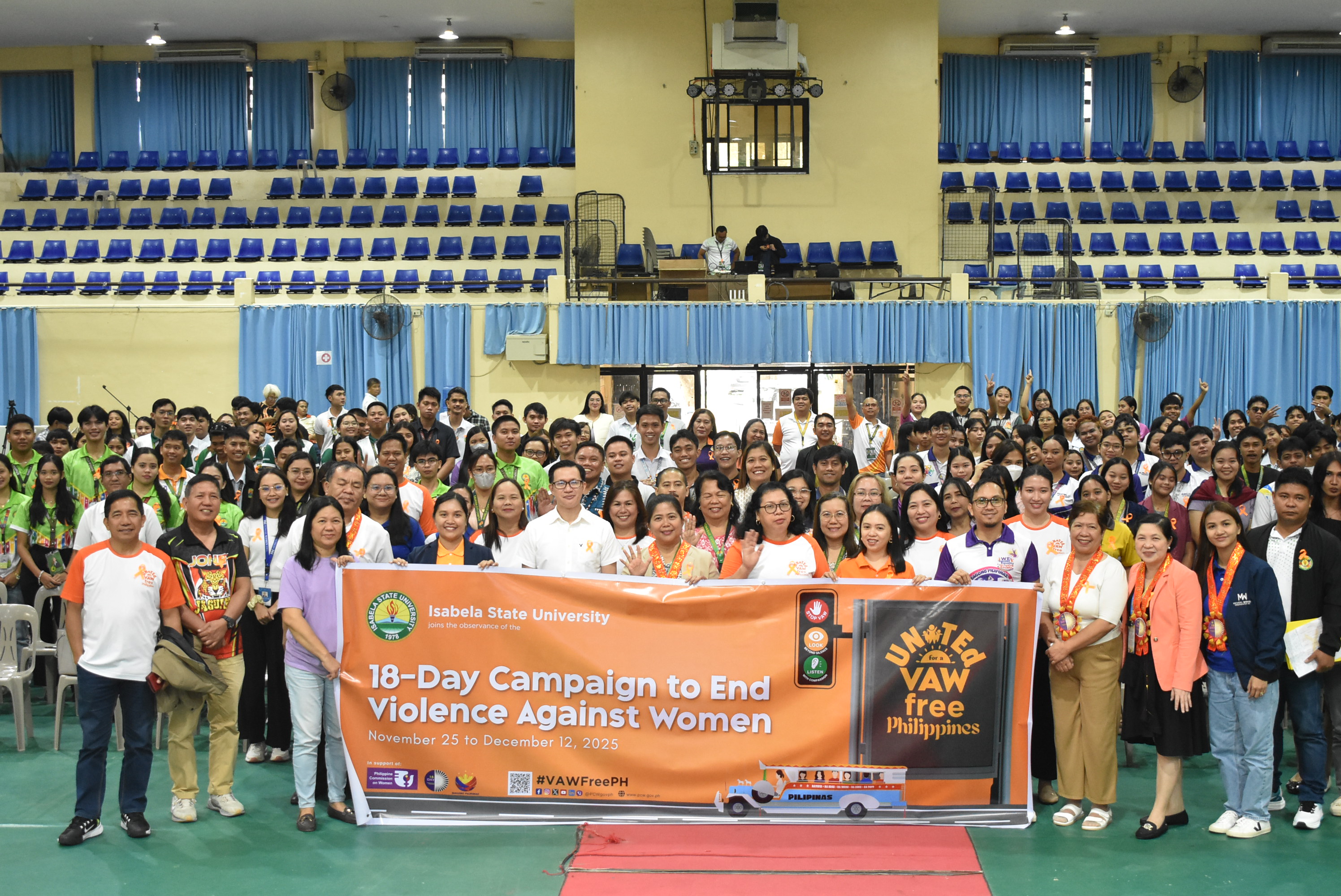
ISU joins nationwide 18-Day Campaign to End VAW; convenes university-wide gathering
The Newsette
Dec 7
News